


NEWS & KNOWLEDGE
Interesting things about the packaging industry, retailing dynamics, consumer trends and NOA’s insight.

The War in Iran: what’s been the effect of the conflict on packaging demand?

As the political situation in the Middle East continues to be volatile, Neil Osment, Managing Director of packaging market research company NOA, explores the impact of this latest war on the European packaging sector.
The start of 2026 was shaping up to be a rosy one for the paper packaging sector. Across the board – pardon the pun – manufacturers and converters were reporting that demand was up for both corrugated and folded cartons.
What they, and we, hadn’t factored in was a war between Iran and the USA and Israel, which broke out on 28th February and – as we know – has resulted in the key Strait of Hormuz being blocked by Iran. As we write, peace of a sort has broken out, and the Strait’s blockade looks to be being lifted but – as we also know – the situation is volatile.
So what has been the impact of this war in the Middle East?
As might be expected, demand for paper packaging dropped overall. However, there have been some surprising short-term gains.
Demand in some Mediterranean countries rose, encouraged by retailers who began to stockpile products to mitigate the possibility of empty shelves during the upcoming, busy tourist season.
Secondly, the war has caused huge price hikes for any products dependent on fossil fuels, including plastic. Plastic packaging buyers have been experiencing increases of anything from 30% to 50%! This has eroded the differential between the inherently cheaper plastic packaging vis-à-vis paper packaging. In some instances, the price differential has disappeared altogether. This has made switching to paper-based packaging a more attractive prospect, particularly in cases where a switch is relatively easy – fruit or veg punnets being a good example.
Thirdly, there has been a shortage of certain metals, aluminium in particular, which is used in the making of cans. As a result of these shortages, packaging for some liquid-based products – such as cooked tomatoes or passata – has been switching to carton formats.
These are all likely to be short-term changes, but what about the longer-term impact?
It’s clear – if it wasn’t already blatantly obvious – that the world is dependent on fossil fuels. Blocking the Strait of Hormuz has cut off over 20% of the world’s oil supplies, and we’ve all been affected.
It has been a wake-up call in Europe, calling into question our huge reliance on fossil fuels, because of the supply chain issues and transport cost it has caused (so not the sustainability issue this time).
At the same time, in terms of alternatives to plastics for packaging, the continent has an abundant supply of natural fibre, thanks to the virgin forests of Scandinavia, as well as a readily available supply of recycled paper gathered from our waste collection systems in Europe.
But steps need to be taken to take advantage of this.
As a continent, we have underinvested in recycling mills compared to the rest of the world. We need to invest in our papermills, which are uncompetitive when compared to regions such as China. We also need to improve the recycled paper collection system in Europe to ensure we have a greater supply of the important raw ingredient, namely, good quality fibre.
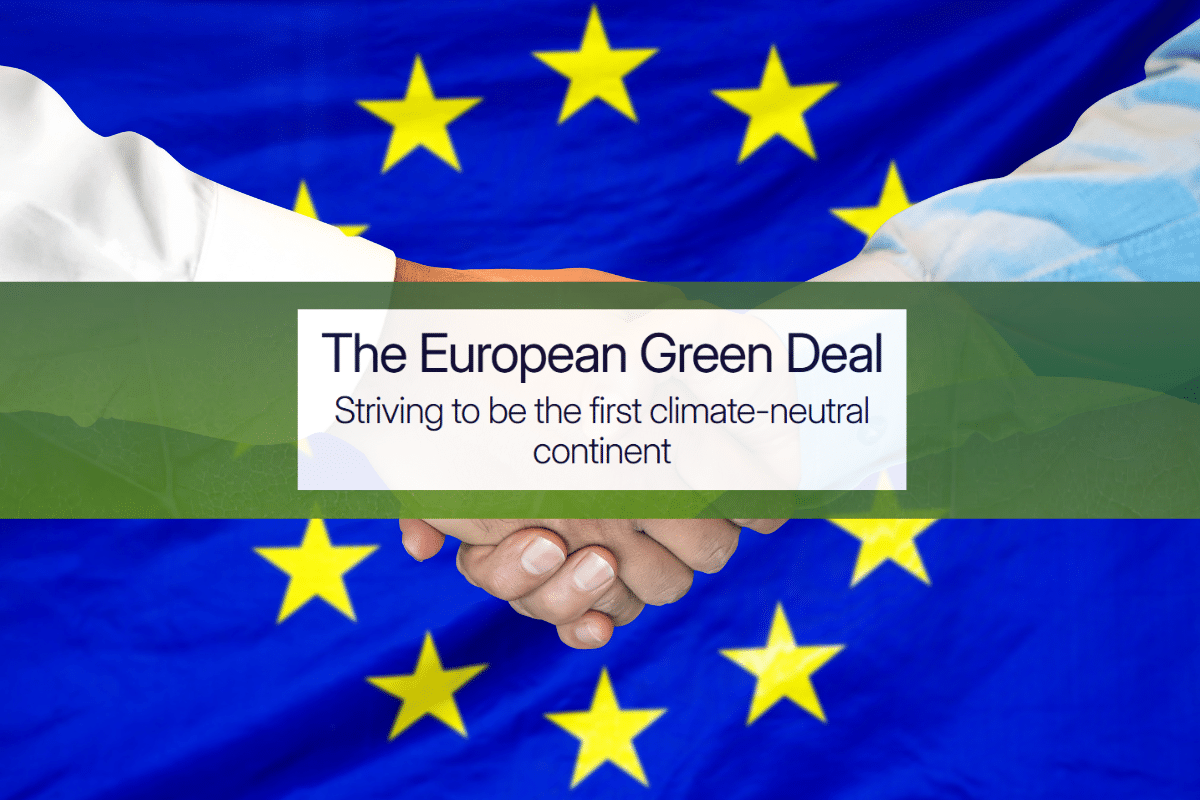
Finally, it’s laudable that Europe has drawn up the Green Deal, with its objective of becoming the world’s first climate-neutral continent by 2050. Its goals are to reuse and recycle more, but its mechanism for delivery has proven to be flawed; Extended Producer Responsibility (EPR) bases its waste management fee structure on weight – the lighter the weight, the lower the fee, and this has clearly favoured plastic packaging to date.
If we are now going to reduce our reliance on fossil-based products due to reliability and cost reasons, we’d like to pose this question to Europe: should we rethink the way we are delivering the Green Deal? At NOA, we believe we should.
For more information, get in touch or email listening@noa.uk.net.